
The Legacy of Lula: From the Grande Seca to the Ongoing Fight for Primavera
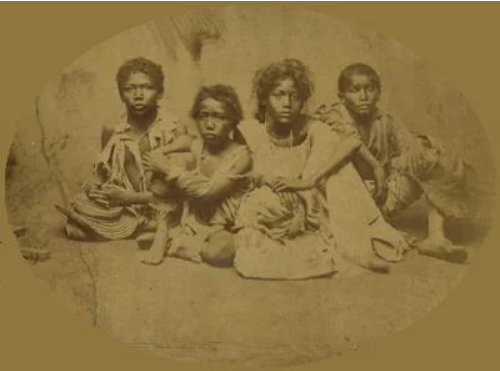
One of the worst tragedies in the entire history of Brazil happened during an El Nino event in 1877-1878, and the aftereffects can be felt to this very day.
Do not feel bad if you weren’t aware of this terrible event, as even during the widespread death and history-altering famine, the news domestic and international didn’t discuss it much. What obviously didn’t help was El Nino’s effect on the rest of the entire world, as studies today claim that around 3% of the entire global population died because of the extreme weather and drought related to the climate phenomenon.
The Grande Seca was a major crisis that led to extreme drought, extreme poverty, awful malnutrition, spreadable diseases, people dying by the thousands, and a massive migration from the epicenters to other regions within the country and beyond. The Grande Seca would become the focal point in the rapidly shifting separation of wealth and progress between the northern states being pummeled by the drought, and the southern states of Brazil, as decades of decisions, migration patterns, and consequences would lead up to the worst possible scenarios.
As the farmlands dried up in the north, the political system in the south would essentially ignore the pleas of the northern states falling apart and even accuse the northern Brazilians of being lazy and uneducated and being the cause of their suffering. The stereotypes and misinformed thoughts that spiked in the 1800s and peaked in the Grande Seca would evolve over the decades and generations and persist even today in some aspects.
As we approach the impending El Nino season, it makes sense to bring up the worst one the modern planet has ever experienced because the best presidential candidate in Brazil to tackle the eventual droughts and weather changes is the man who had already transformed the beautiful country a couple times before. The best candidate in the field to tackle natural shortages and threats while helping the most disenfranchised is the man who had already reduced poverty in Brazil by over 40% in its peak during the early 2010s after he had left the presidency and his programs were in full swing.
It is a no-brainer that you want the man whose main mission isn’t to wage war, but instead try to lift as many people out of the doldrums of poverty as possible while trying to maintain sovereignty of the country’s natural resources despite outside superpower pressure. You don’t want people whose personal goals is to be in the same room as rich socialites, and will risk an entire nation’s independence to achieve said goals; and yes the greedy selfish Bolsonaros have gotten a taste of the high tables and want to maintain the power needed to remain there.
You want a proven fighter to tackle the uncertain future surrounding South America as the tech billionaires and MAGA movement encroaches on Latin America’s resources and undisputed independence. Look at what we’re seeing in Venezuela, Cuba, Honduras, Chile, Ecuador, among the other extreme right-wing threats in the continent. Lula has been fighting for the common person as well as the environment his entire life, whether you agree with all his policies and methods or not. Just like Bernie Sanders here in the U.S., you don’t always have to like the approach, or some of the concessions made over the years in exchange for cooperation, but you have to respect the consistency and the willingness to speak for those who don’t have as strong of a voice.
Notice these charts:


Poverty is an interesting political conundrum, because it’s a silent killer, it’s a hidden danger that can threaten the overall peace and standard of living of your area, but the solutions usually take lots of time to truly take effect. Sao Paulo is 30% of the entire country’s economy, so its residents may not see the massive necessary improvements of a Lula administration because its already such a successful city, and already has a well-established ecosystem that produces great wealth that helps maintain a megacity.
Lula’s overall legacy when all is said and done will not be primarily felt in the major cities, it will be felt in all of the rural, quiet, distant, ignored, impoverished corners of a giant country so vast that most of her citizens will live an entire lifetime without experiencing it all. Reducing poverty doesn’t actually always improve the economy; but even without the markets celebrating the improvement of social services improves the lives of faraway people and families you don’t know and may never meet. The local fisherman, the teacher of a small school in the Amazon, the truck driver fighting through the desert roads, the street vendor, the farmer, or even the unemployed man doing odd jobs while seeking something permanent, these are all the kinds of folks who do very hard work, help keep their communities thriving, but should always be protected and cared for, especially in places with limited access to things we take for granted.
Lula’s biggest strength is his commitment to the disenfranchised populations; whether that be the indigenous people who can be found all over the Amazon and beyond, or the Afro Brazilian communities who still feel the aftereffects of a history that constantly forces them to survive in places whose environment political and ecological is more unforgiving and unpredictable than established places built on better land. The Grande Seca harmed Black and Indigenous Brazilians almost directly, and significantly more than the Euro-centric Brazilians that occupy the central/south. Lula is arguably the president who has worked strongest to try to even the playing field by battling to reduce the wild poverty numbers of Northern and Northeastern Brazil. There was a recent rally in Recife where tens of thousands of people took to the streets to celebrate and support Lula. No Bolsonaro or political opponent could ever pull such numbers anywhere outside of the Brazilian south.
Would a Bolsonaro administration properly handle drought affecting one or two specific regions in Brazil? Of course not, look at how Bolsonaro the original bigot handled the coronavirus pandemic. Would a Bolsonaro administration properly handle threats from foreign powers? Of course not, look at how cozy Bolsonaro is towards the bigoted, selfish, and hateful administration currently running the United States.
A good president protects all people, not just the people with money. A good president tries to create more safety nets to help the vulnerable, not seek the admiration of foreign leaders who thrive off of rage and pain against the defenseless. A good president understands the ongoing economical and social gaps between the major demographics within their country, as Lula has proven over his three terms as leader. Between the Portuguese colonization, the slave trade, the nation-shifting Grande Seca, and the multiple military dictatorships that focused only on the stronger southern states, the quality of life of a Brazilian differs greatly depending on your skin color combined with your location.
The question remains as to why Lula, even with all the obvious accomplishments and obvious commitments to never declare war on his own people, would still have a battle just to win another presidential term against an unproven slimeball. Its pretty simple, sometimes it can be hard for a population who collectively has endured so much to consider the needs of the community above their own. Here in the United States, Donald Trump’s policies clearly were going to make people suffer, but there’s a population that was willing to accept the pain being inflicted on others if it meant potential betterment of their 401ks or their financial situation. This population was mad at the current administration, and even with the obvious knowledge that they were the better option, still chose to roll a deadly dice.
This extreme, angry, ignorant right-wing movement that has poisoned the United States and other parts of the world comes with the ugly undercurrents of trying to trash international elections to help said 401ks and help said large businesses and conglomerates that would benefit from business-friendly, money-hungry governments. Lula ended up in prison, for crimes he didn’t commit, and was behind bars as an angry Brazilian population felt betrayed by a ruling political party as scandals popped up and the economy hit rough waters, and responded by rolling a similar deadly dice with Jair Bolsonaro. And for the record, there are still murmurs about how Lula’s time in prison was supported politically AND financially by the first Trump administration.
The world is a better place when we have more sympathetic leaders, and fewer warhawks trying to wage war against other nations and sometimes even select populations within their own country. We don’t need to continue spending money on weapons, on military, on genocidal maniacs. Another Lula term means continuing the work to actually improving the economical and mental health of Brazilians, especially those in poorer situations. The more safety nets being cast for the population, the better the entire country ultimately becomes as the health, safety, and financial prospects of the community improves.
Even if Lula may not be on this earth long enough to see all the positive results from his decades in Brazilian politics, he remains to be the best option for the future of a beautiful country with so so much to offer.
Long live Lula, and may Brazil make the correct decision and continue improving upon the horrifying era of Bolsonaro while seeking the Primavera that Brazilians deserve.