The Inspiring Natural Magic of Bonnet Springs Park
Lakeland is a fast-growing region of Central Florida as the population within said region is sadly being priced out of the major cities that actually have their jobs, whether it be Tampa or Orlando or Disney World (silly joke, but Disney World is actually the size of San Francisco so it kinda qualifies). Situated in one of the fastest-growing counties in the United States, Lakeland is a plethora of beautiful parks, nature, mixed in with Small Florida Town charm while being constantly threatened with these giant boring lifeless housing developments that have already harmed placed like Port St. Lucie, Clermont, Minneola, among other places in the Sunshine State.
The town offers plenty of nice options, but there is one place in particular that I like to highlight. This place is not only a standout feature of Lakeland, but also serves as a great lesson as to how we can develop, rearrange, and fix cities all over the world via allowing nature to return to territory it initially lost.
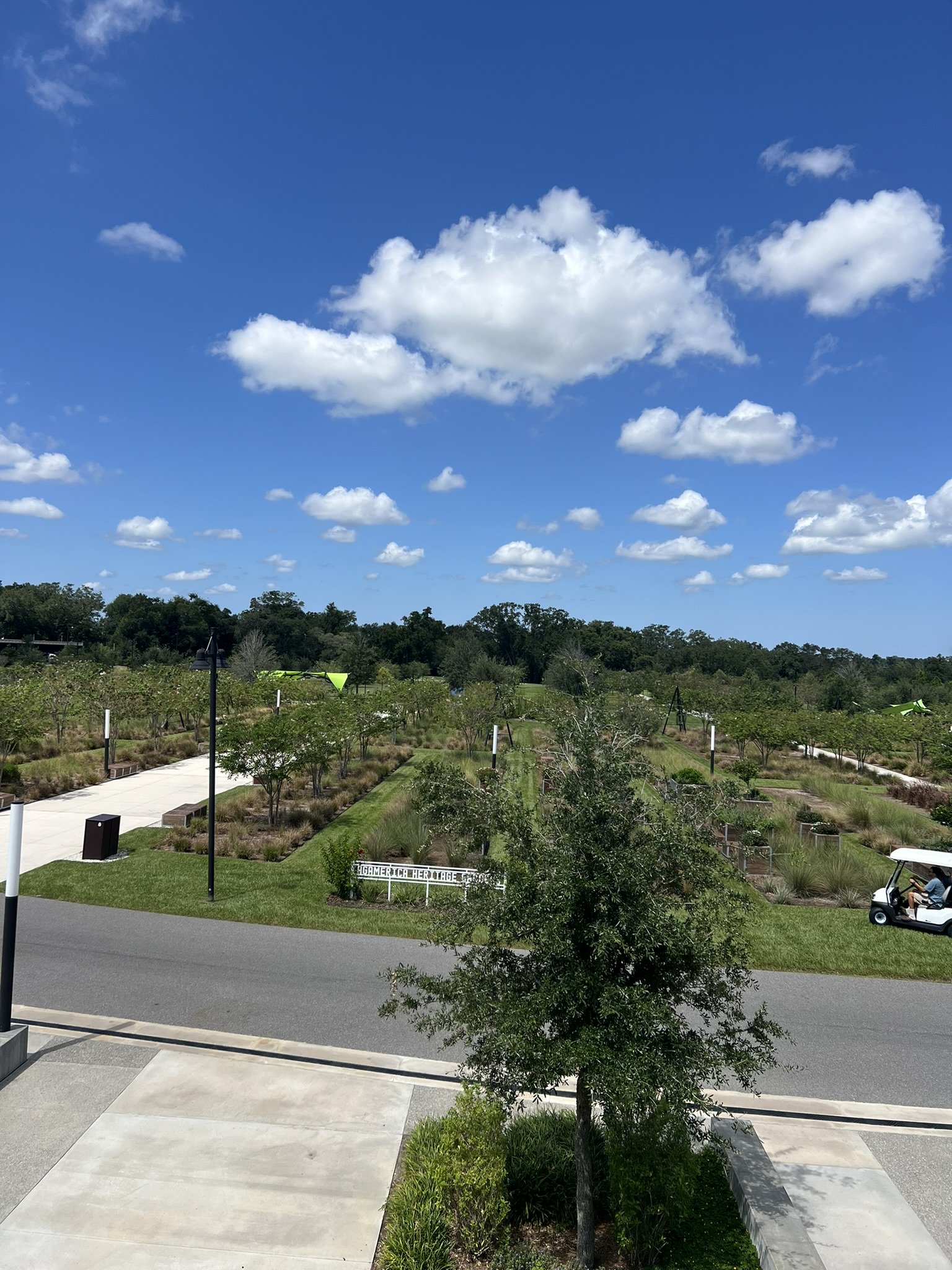
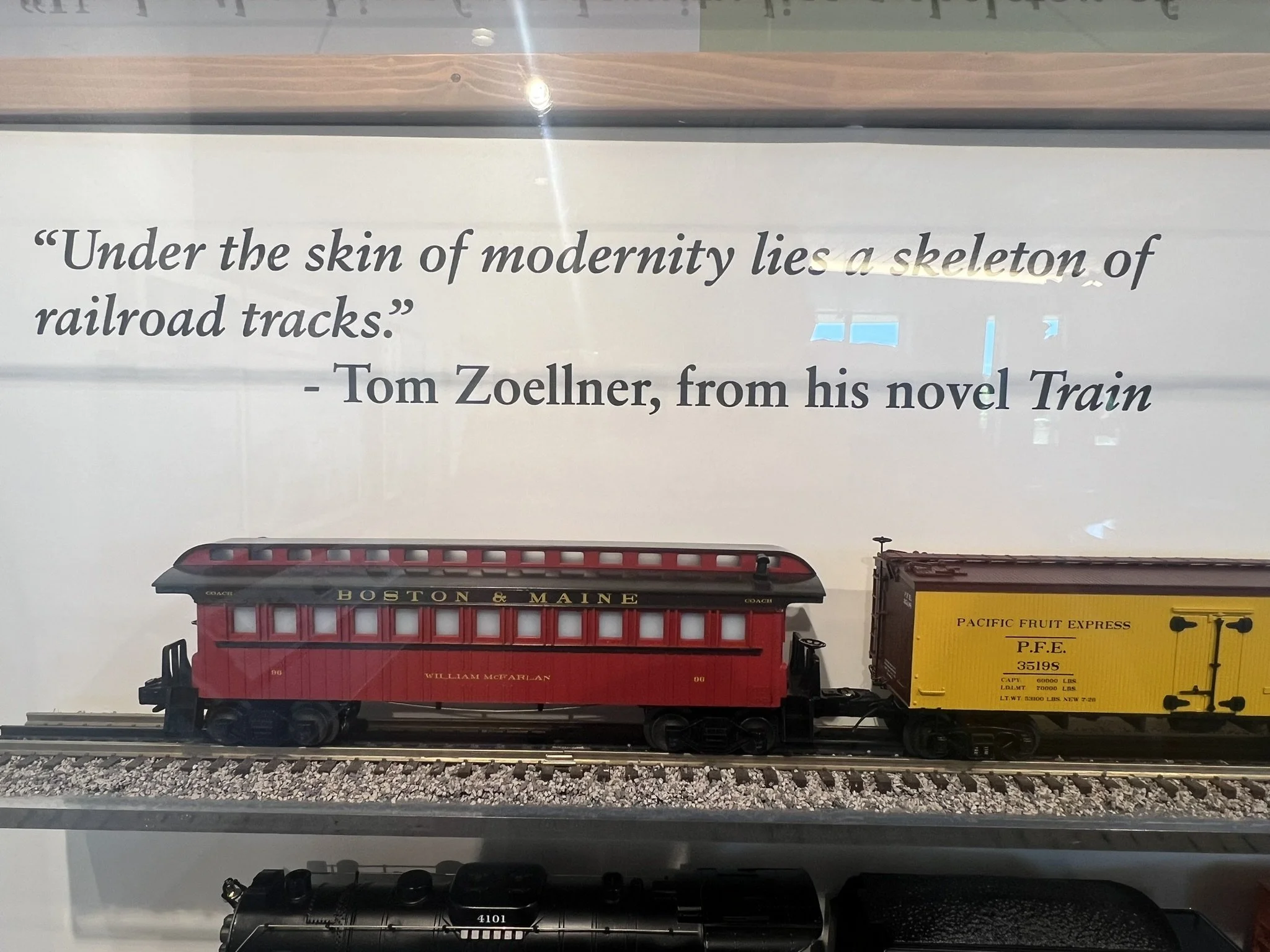
Bonnet Springs Park is a work of urban design art that was years in the making, and the end result has been nothing short of outstanding. 168 acres that used to belong to the railroads and rail lines transporting Florida produce has become a free-to-visit nature oasis for those seeking an escape. It’s actually impressive to see how much they can pack into a space that is surrounded by streets and highways.
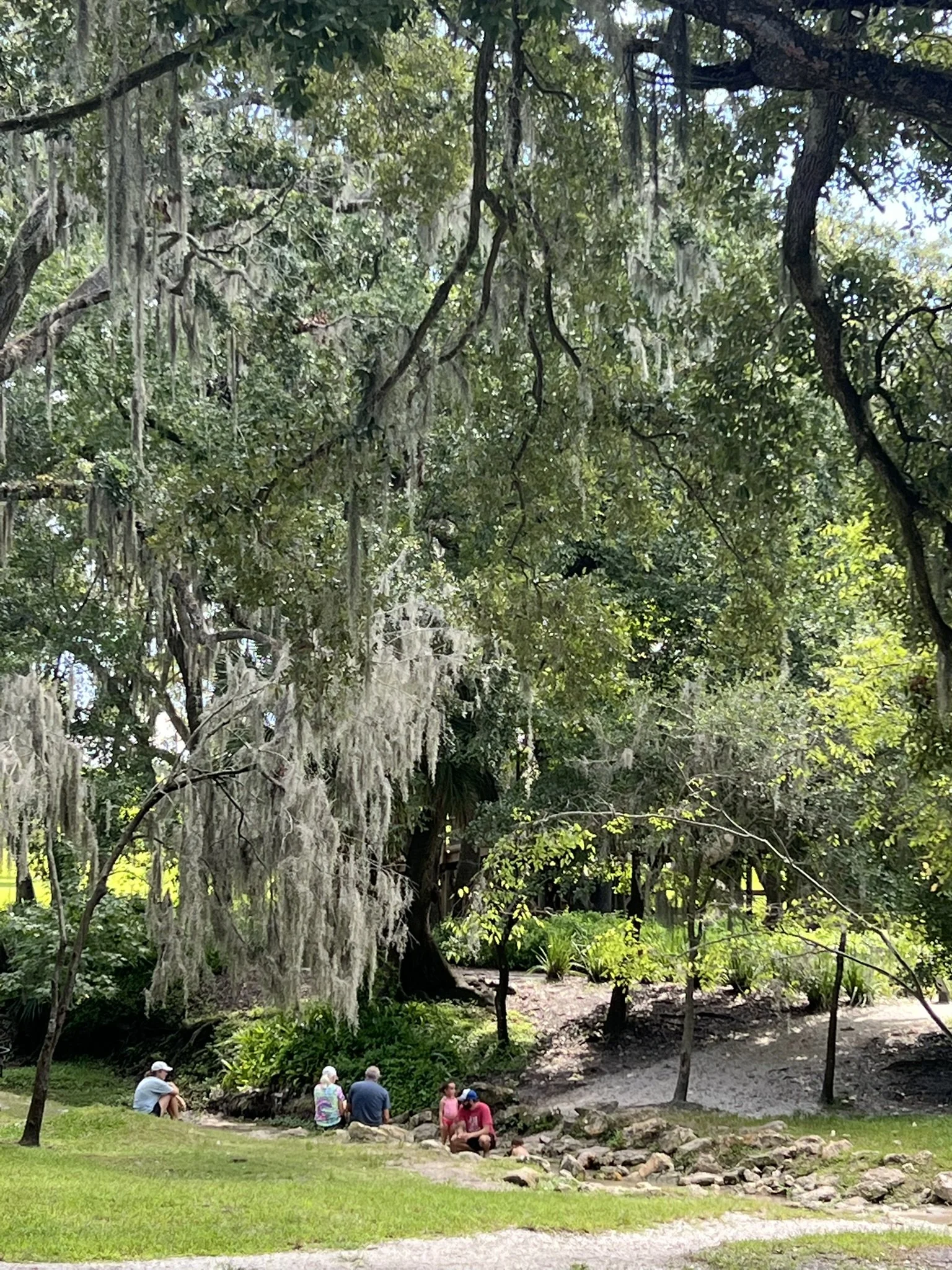
The park consists of a children’s museum, a rooftop bar, a butterfly garden, a botanical garden, a few playgrounds, nature trails, a canopy walk, an exhibition showcasing the history of the space, an education center, and miles of walkable space to interact and enjoy nature. Its different elevations within the space allows for different kinds of terrain as well as a spring that cuts through the park and feeds the nearby lagoon and lake, which also has their trails to traverse.
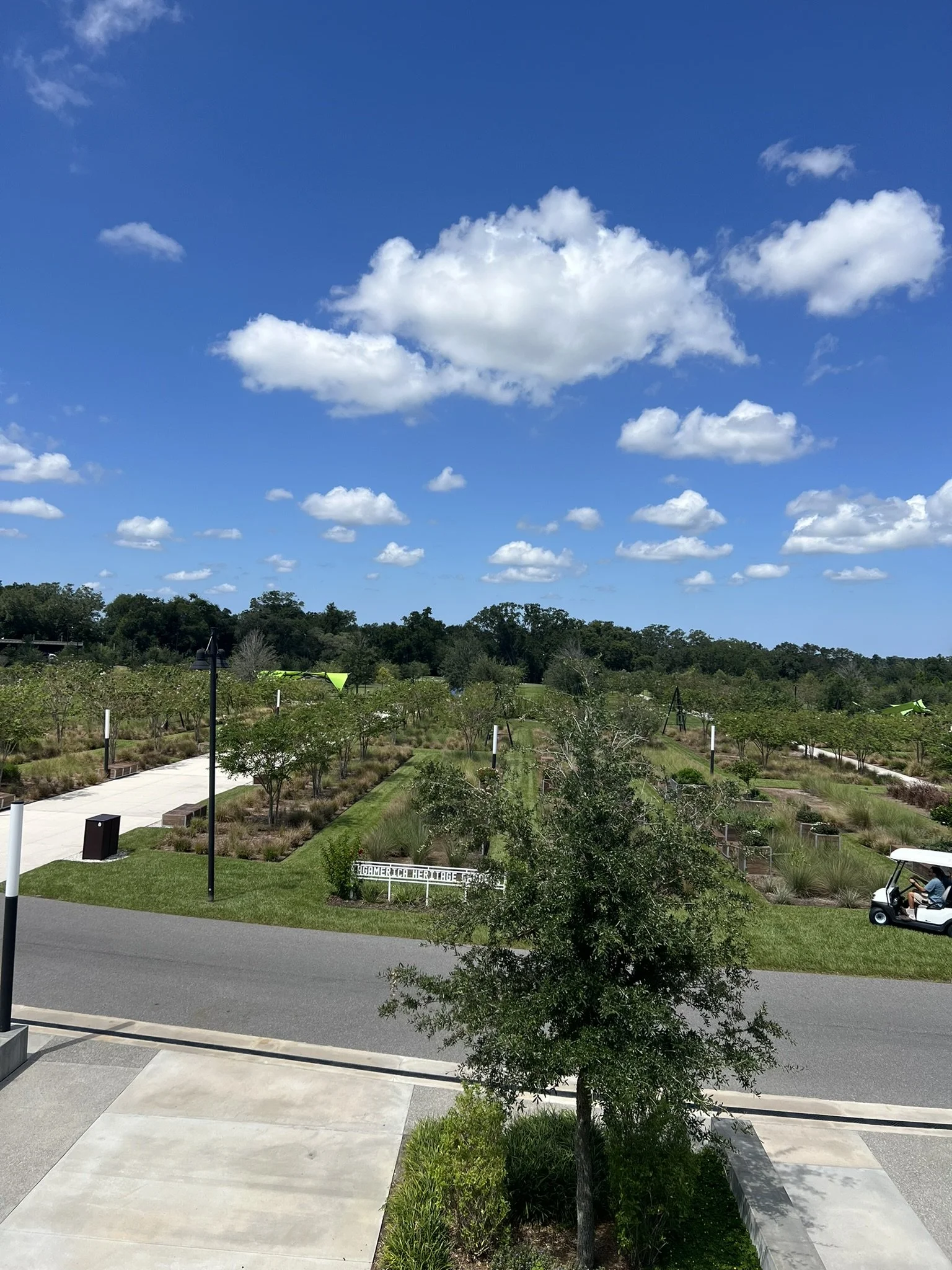
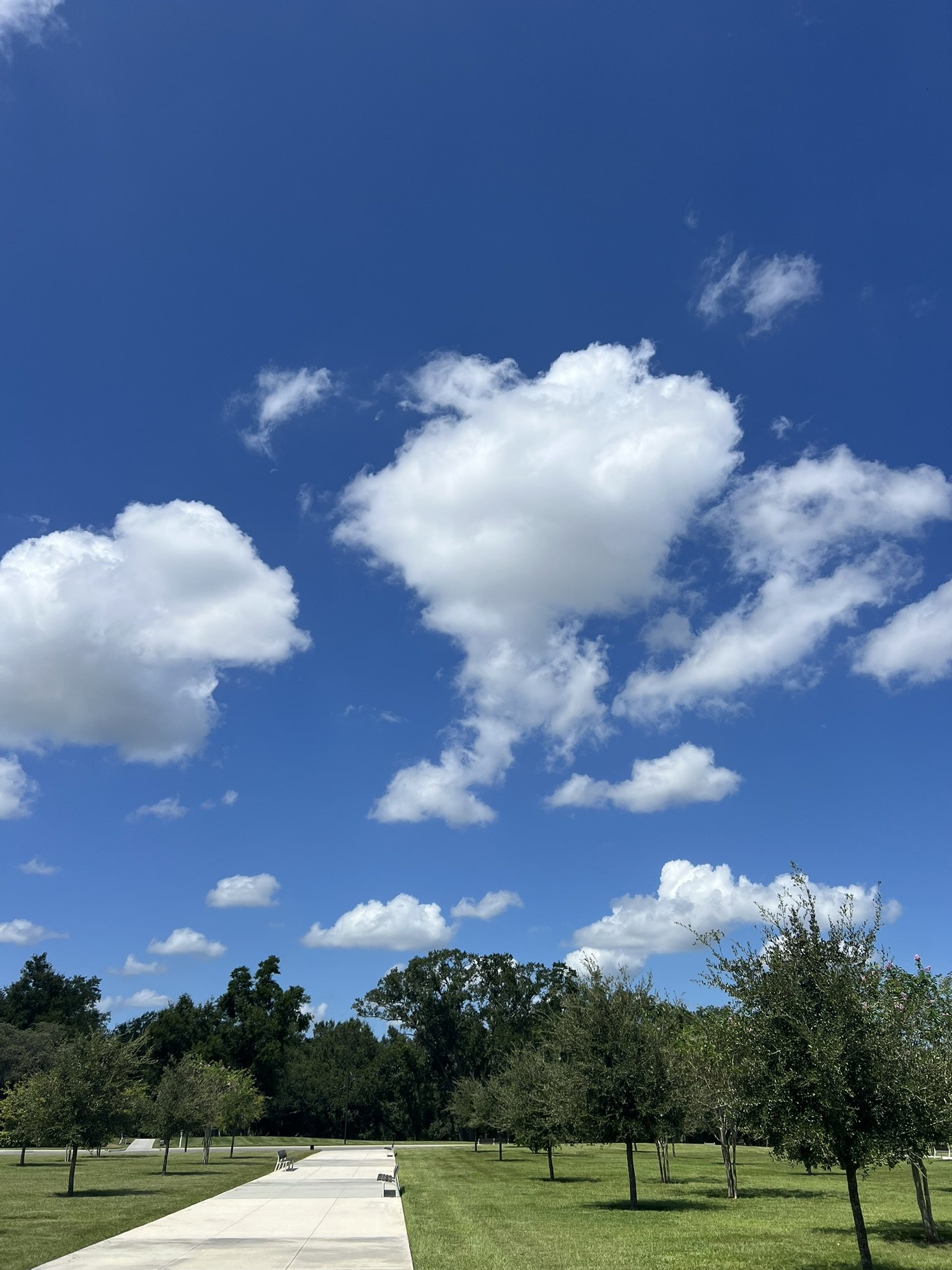
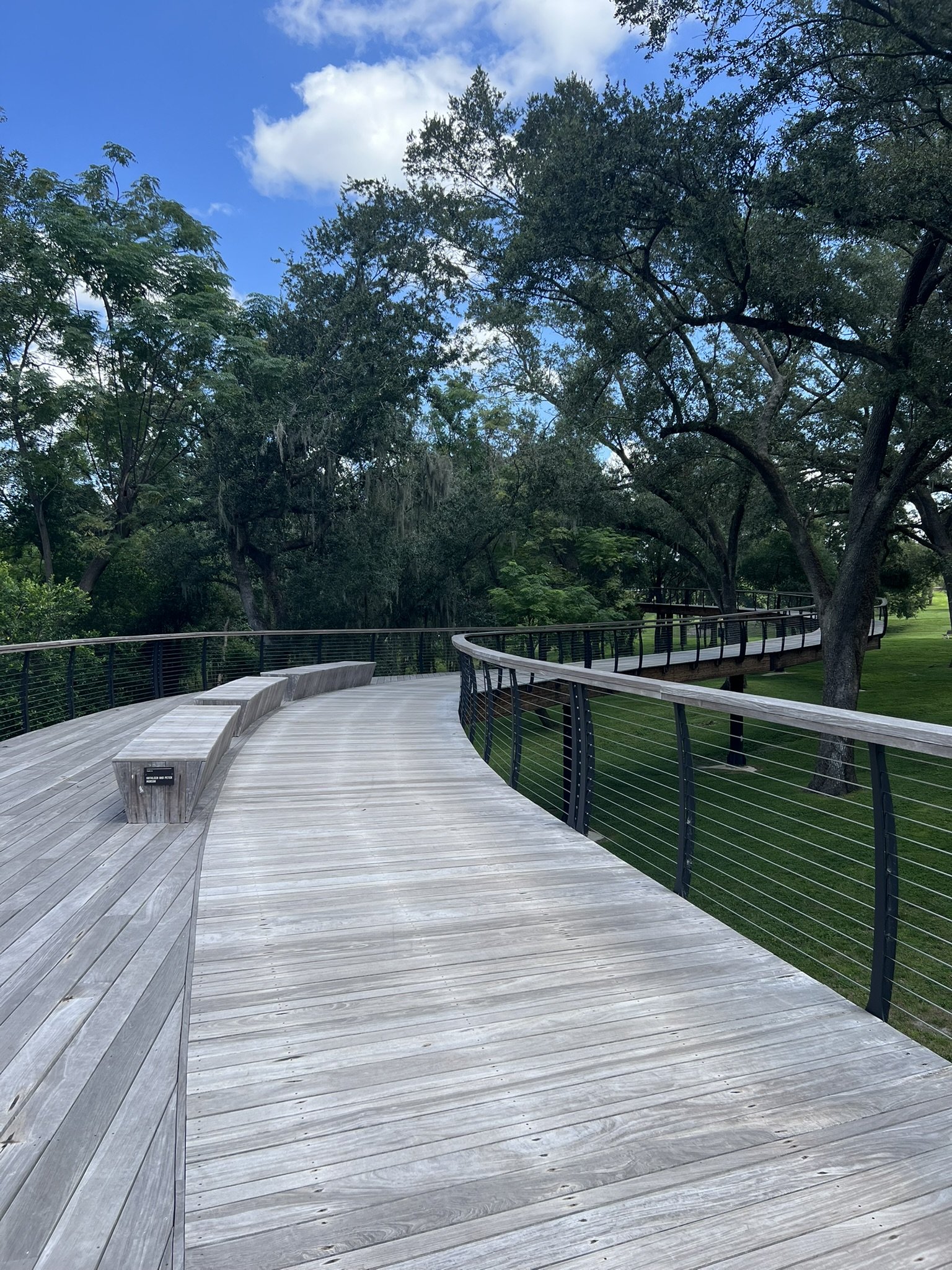
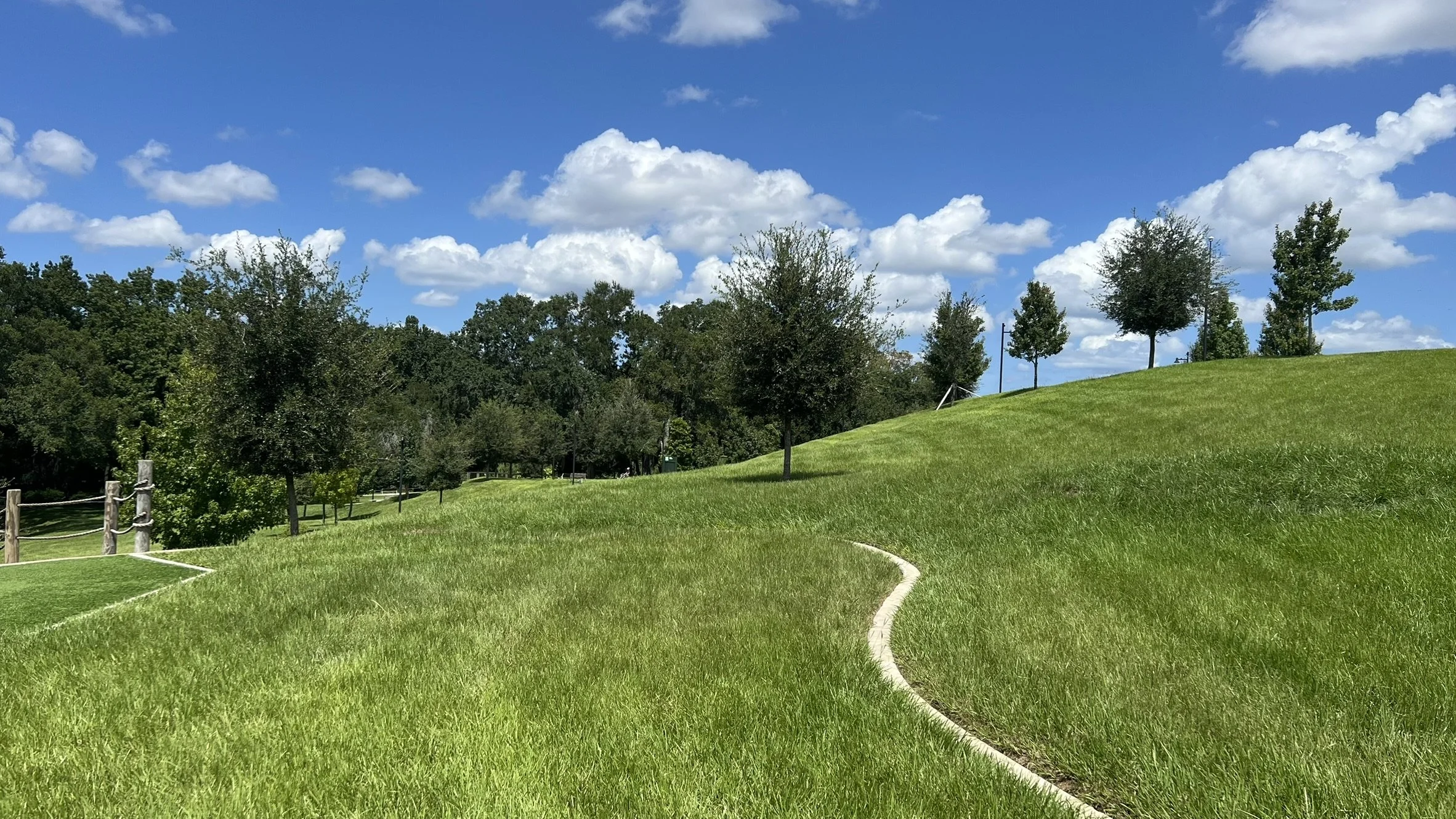
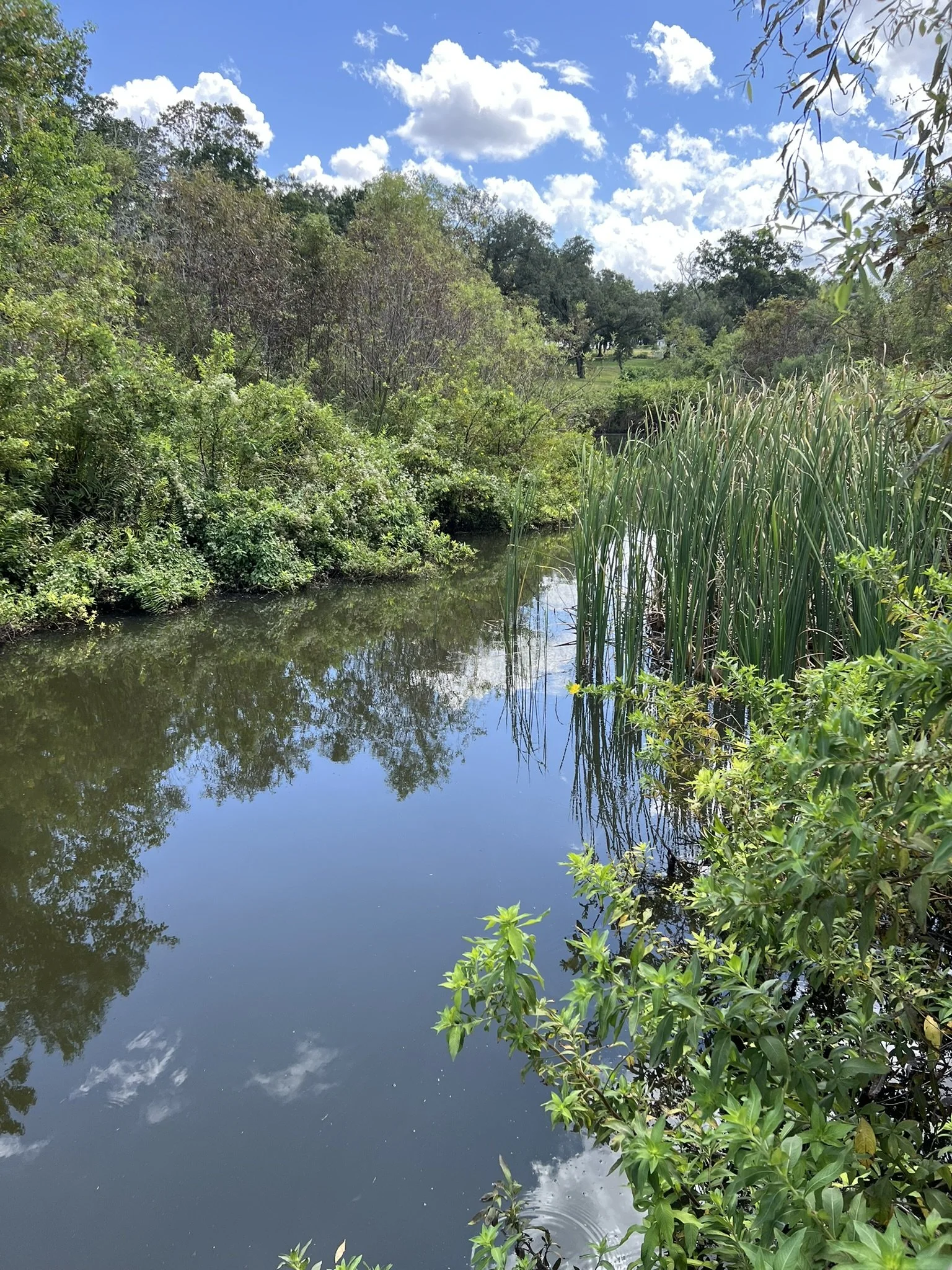
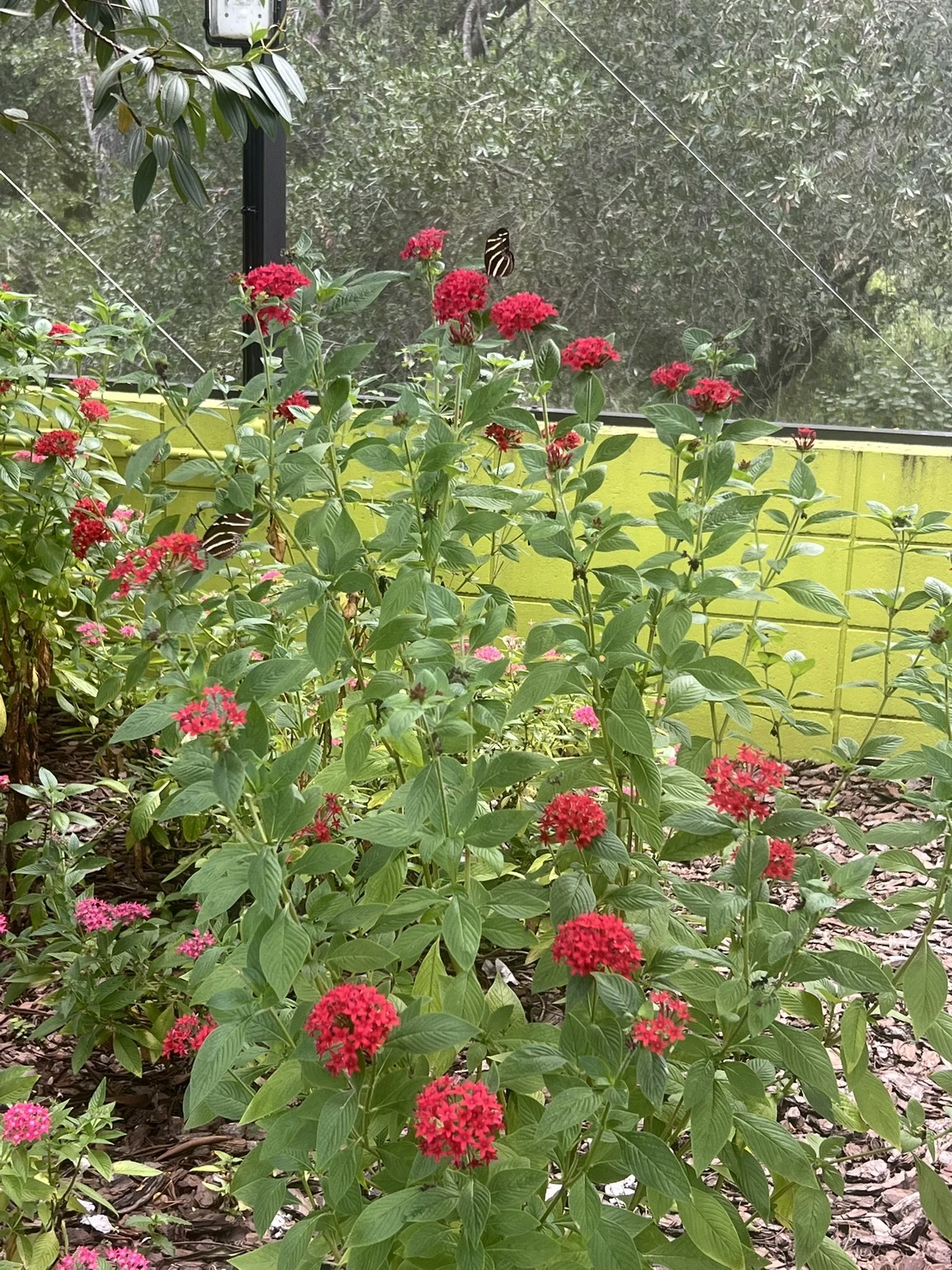
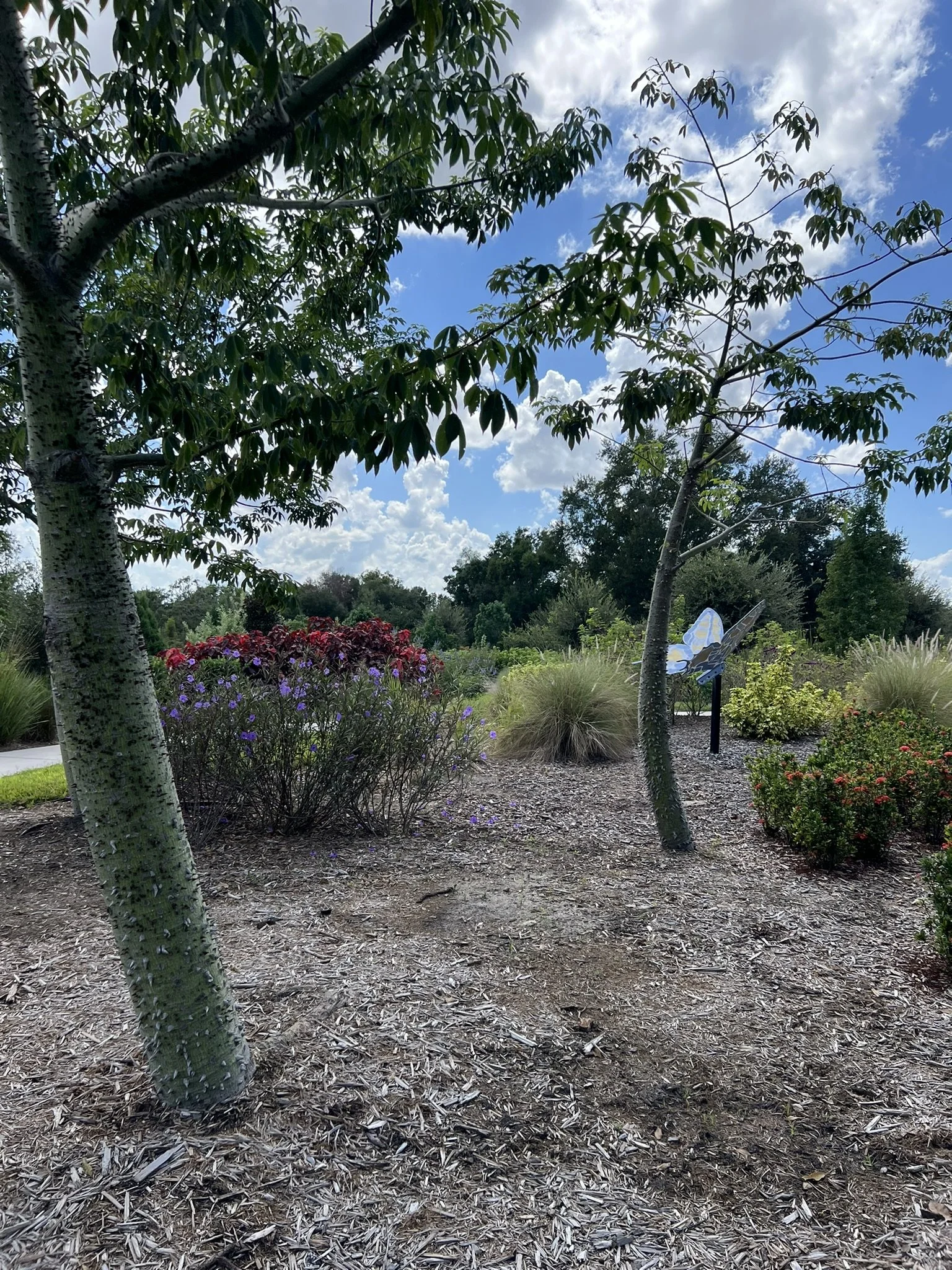
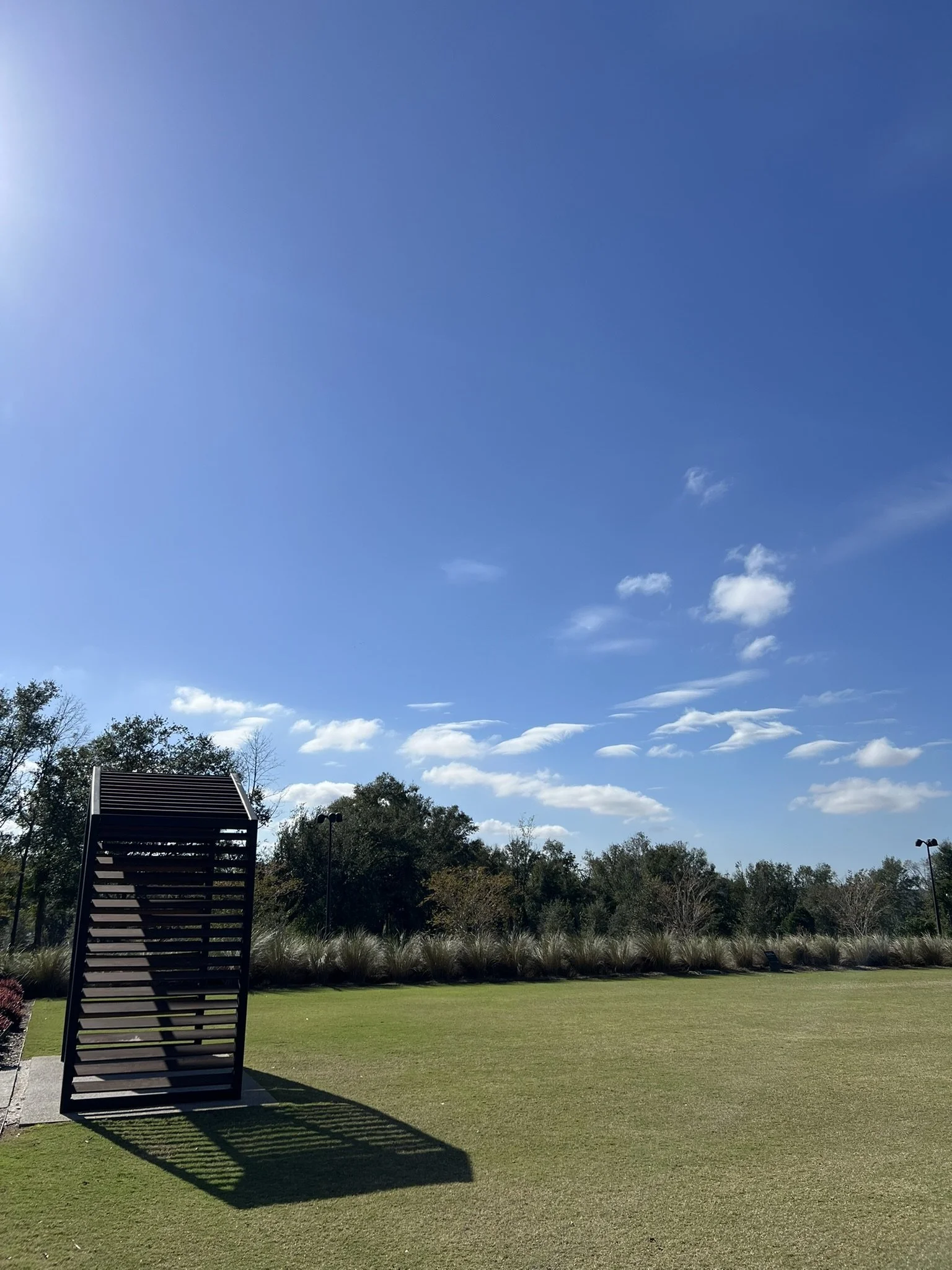
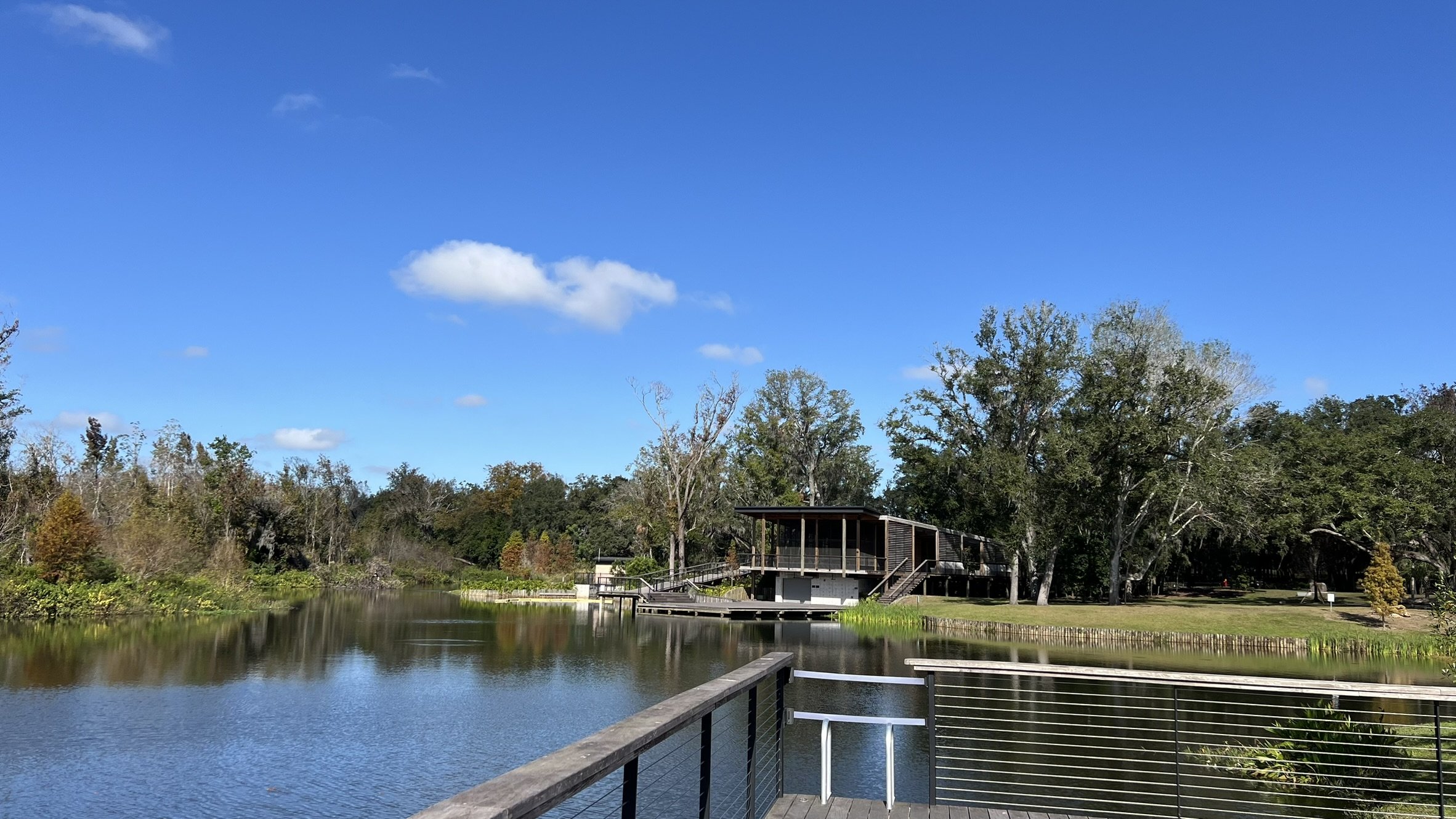
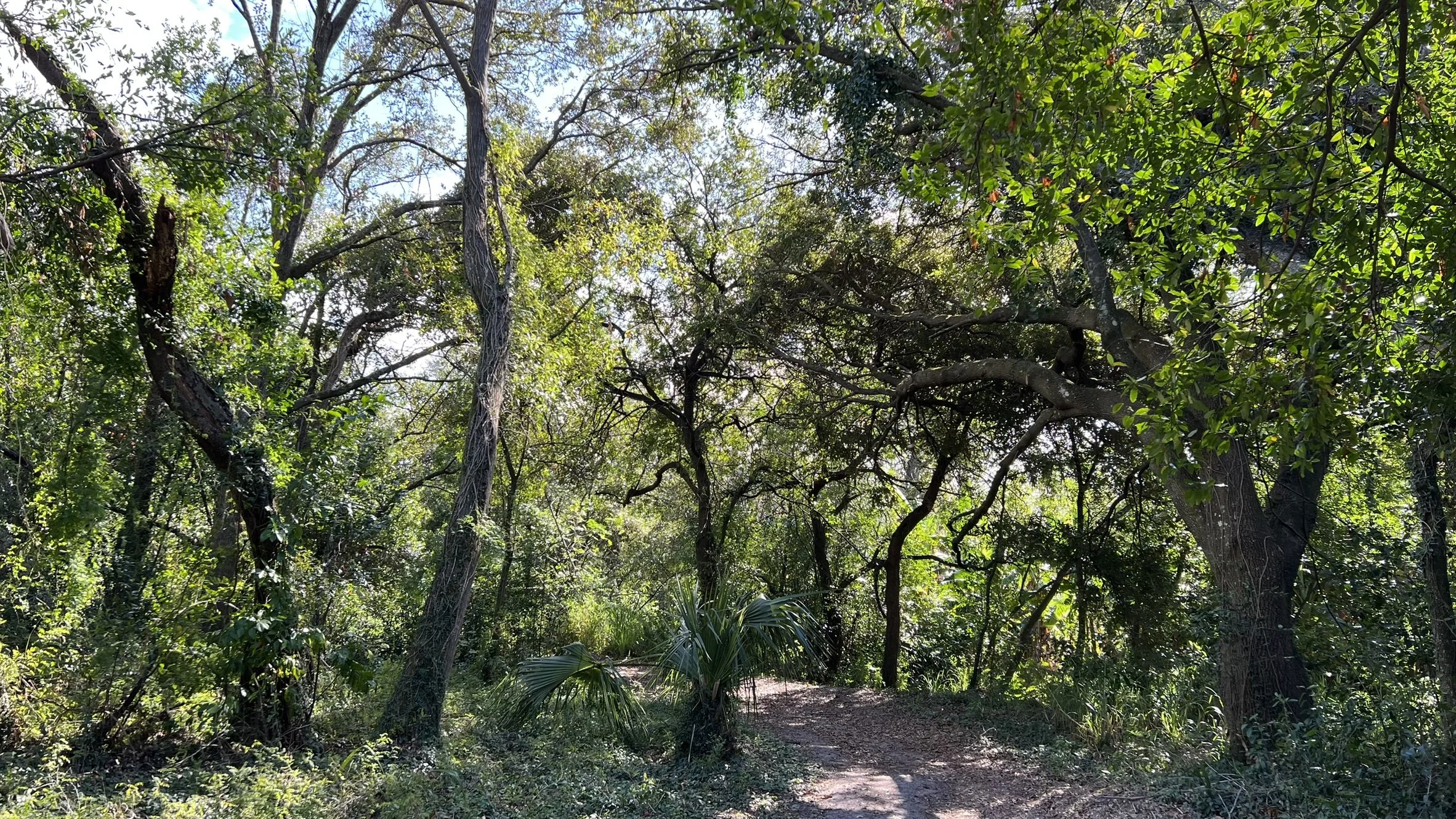
Without exaggeration, Bonnet Springs Park requires multiple visits or one giant overlong visit in order to experience it all. The place doesn’t have one set path to follow; there are dozens of ways to traverse through the area. You can start at the museum with family and enjoy some indoor activities before taking on mother nature, you can start at the far end with the botanical and butterfly gardens before entering a rugged path surrounded by trees. Different paths, different lengths and challenges, and the satisfaction levels will nonetheless persist. But most importantly, it’s a green space to touch grass and breathe in the air produced by mother nature.
Florida needs more Bonnet Springs. The overdeveloped urban sprawl that has consumed Florida can easily be connected to the hotter weather, the increased flooding, wilder pollen levels, and more instances of nature seemingly fighting back. We have destroyed nature without preservation, we continue to build on places that should have been saved, we continue trying to sell houses in regions that people aren’t actually interested in. Worst of all, we don’t build in a manner that allows Florida to continue being Florida, and do not make efforts to try to rebuild what we’ve lost when the area no longer serves its purpose. Take the Sunrail through Central Florida and you’ll see all the potential within the unused or abandoned terrain.
We have lost the orange groves, we have lost the palm trees, we are even losing beach space (Siesta Key has a section that is roped off for a stupid condominium),we have even been losing some of the colors we associate with the state as the new developments look beiger and beiger. Florida contains some of the most unique natural environments in the entire planet, as we should always keep that in mind. Allow nature to co-exist and you will see your rewards.
One of my all-time favorite examples of the positive impacts related to allowing nature to become a part of the city fabric is Cheonggyecheon in Seoul, South Korea.
Cheonggyecheon is a natural stream that had existed for centuries before the city’s infrastructure ruined, clogged, and eliminated it. Through a huge urban renewal project, it now exists as a popular public space while the stream peacefully cuts through downtown before reaching the nearby Han River. Not only has it become a wild success for the locals, but the temperature in this area has decreased because of the effects related to the stream, even in the summer months. There is fauna growing within the sides, there are fishes in the water, and it has become a destination for late night relaxation and cooling down when the sun becomes too much. This is all happening in one of the biggest downtowns in the entire planet. Nature exists and thrives alongside a giant urban ecosystem, it is possible. Take notes Florida.
But as a good starting point on how to properly reclaim land, Bonnet Springs Park is an example of properly utilizing abandoned space to create some beautiful and environmentally powerful for the people. Nature breathes better, and the locals have a place to unwind. And its more than just trees, it’s a great diversity of flora, fauna, and terrain that will always deliver something new to see each time you visit. Kudos to everyone involved in this incredible transformation.